Welcome notes
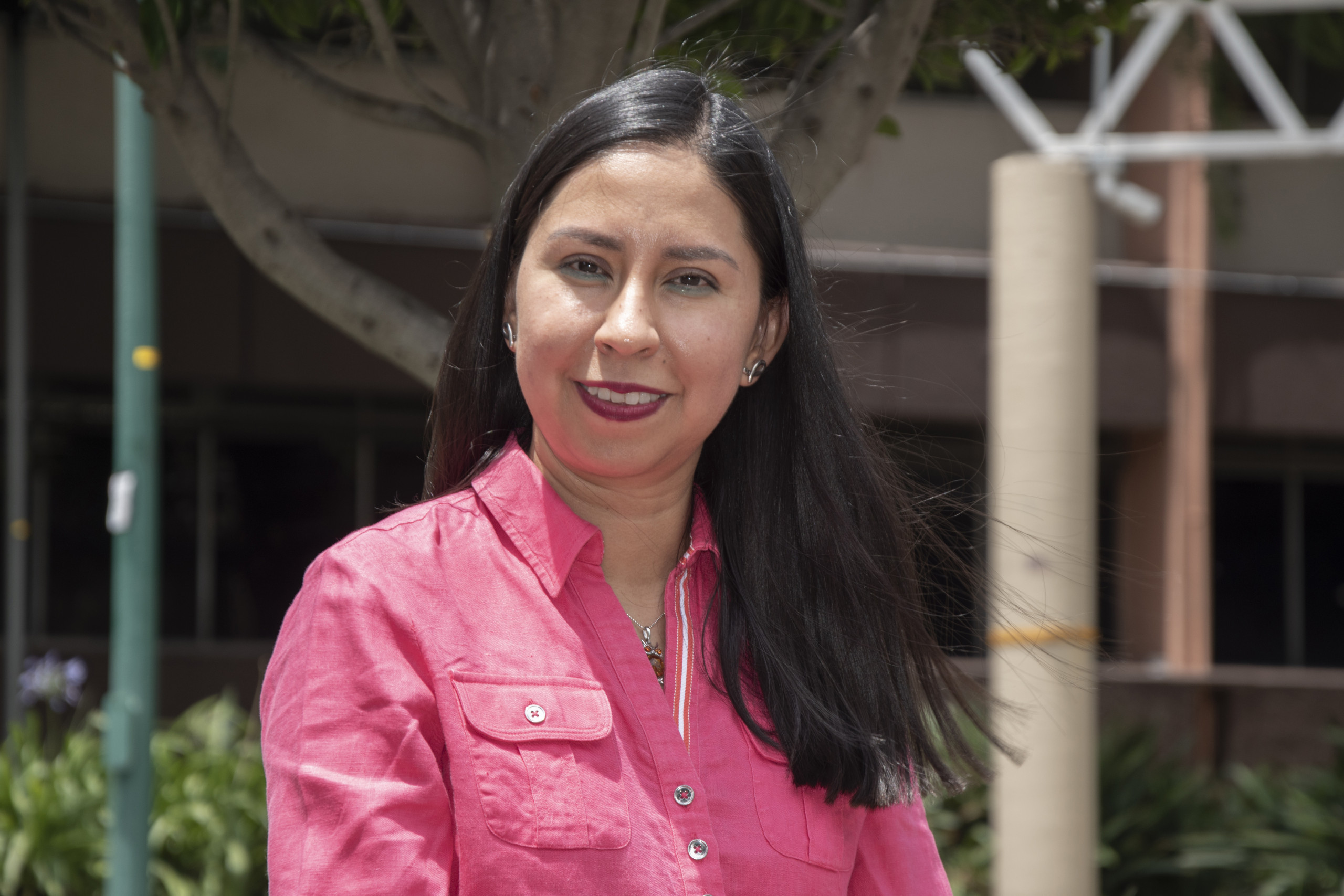
Paulina Arenas-Landgrave
Welcome to the 46th STAR Conference in Zagreb, Croatia!
As the President of the Stress, Trauma, Anxiety and Resilience Society (STAR), I am honored to welcome you to our International STAR Conference. This event presents a unique opportunity to share insights, research, and innovative practices in our fields. The vibrant city of Zagreb, with its rich cultural heritage, provides the perfect setting for meaningful discussions and networking.
I encourage you to engage with fellow participants, actively participate in conversations, and build lasting connections. Thank you for being part of this significant event. I look forward to the fruitful exchanges and progress we can achieve together!
Welcome to the conference!
Paulina Arenas-Landgrave
STAR President
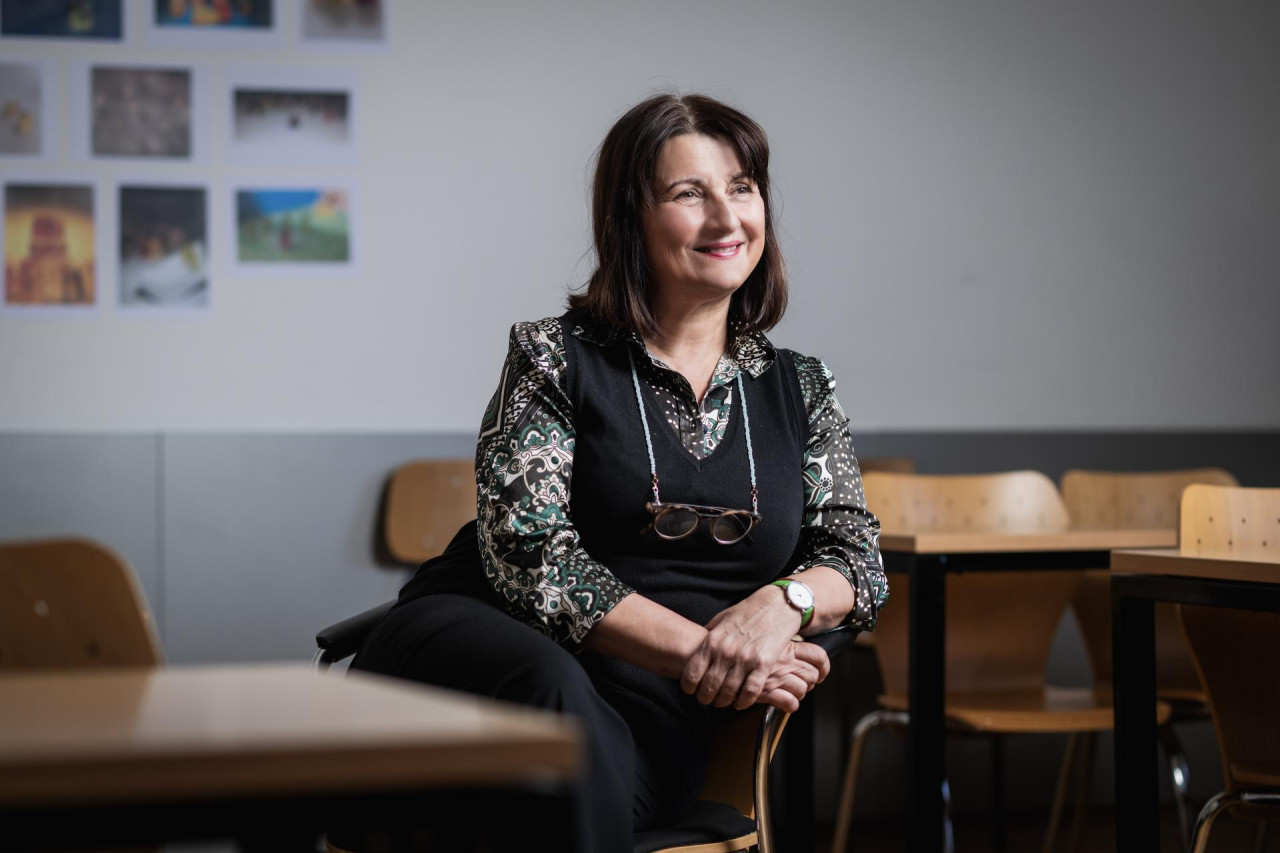
Nataša Jokić-Begić
Dear colleagues and friends,
It is our great pleasure and honour to invite you to the 46th STAR Conference – Digital Minds, Human Hearts: Resilience in the Time of Anxiety and Disruption, which will take place in Zagreb, Croatia, from September 22 to 24, 2026.
Ten years have passed since the STAR community last gathered here. In 2016, our theme was stress and anxiety in a changing society. We could not have known then how much, and how fast, that society would change.
The decade behind us brought a global pandemic, wars and forced displacement, economic instability, and rising polarization. Digital technologies now shape how we work, learn, parent, and relate to one another, and artificial intelligence has entered daily life faster than we could fully understand it. We are more connected than ever, yet loneliness and uncertainty have become part of everyday experience, most visibly in the growing psychological distress among children and young people.
It is this tension, between digital lives and human needs, between disruption and the will to adapt, that shapes this year’s theme: Digital Minds, Human Hearts: Resilience in the Time of Anxiety and Disruption. Our task, as this programme shows, is not to resist change, but to understand how people and communities can adapt without losing their humanity.
You will see that tension throughout the programme. One strand addresses the psychological cost of war and collective trauma, alongside resilience and posttraumatic growth. Another follows those who care for others under pressure: healthcare workers, teachers, first responders, therapists; while further sessions turn to childhood and education, coping across the lifespan, migration and belonging, work and burnout. A particularly strong thread examines the digital transformation of everyday life itself: social media, digital mental health, and the growing role of AI, considered both as a source of strain and as a genuine tool for connection and care, a duality especially visible in the work on today’s digitally shaped transition to parenthood.
The conference takes place in a world marked by war, violence, forced displacement, and prolonged uncertainty. As a community whose own history has been shaped by war, we are particularly aware that the consequences of traumatic experiences do not end when the immediate threat subsides. They may remain present in the lives of individuals, families, and entire communities, sometimes for decades.
Particular attention must be given to children and young people. Scientific research shows that prolonged exposure to fear, loss, insecurity, and chronic stress can have significant and lasting consequences for emotional and cognitive functioning, development, learning, relationships, and the sense of safety. Their experiences remind us of the importance of understanding not only vulnerability, but also the conditions that enable recovery, resilience, and healthy development.
As psychologists and researchers, we believe that we have a responsibility to speak about these processes clearly, critically, and on the basis of evidence. Science should create a space in which different experiences, perspectives, and findings can be heard and critically examined. This includes making room for the experiences of populations whose perspectives may be underrepresented in particular scientific or public discussions.
Psychological suffering does not become less real because of a person’s nationality, ethnicity, religion, political affiliation, or social circumstances. Our task is to understand the psychological consequences of war, violence, loss, and prolonged uncertainty; to identify factors that increase vulnerability as well as those that foster resilience; and to develop effective ways of supporting individuals, families, and communities in recovery.
Our keynote speakers bring the same theme into focus from different angles: what neurobiology tells us about stress and trauma, how societies respond to uncertainty and polarization, and how humour itself can support coping. Their common message is simple; resilience is not a personal obligation to stay strong. It is something built together, through relationships, trust, and communities where no one has to face adversity alone.
It is a particular pleasure for the Department of Psychology, Faculty of Humanities and Social Sciences, University of Zagreb, to welcome the STAR community back and to welcome you to Zagreb, a city where Central European, Mediterranean, and Southeast European histories meet, lively enough to inspire, compact enough for good conversation. Croatia’s own history of change and resilience makes it a fitting place for these three days.
The world is more uncertain than it was ten years ago. But our knowledge has grown, and so has our understanding of what carries people through hard times: each other. By bringing together evidence and empathy, digital minds and human hearts, we hope this conference helps turn uncertainty into knowledge, isolation into connection, and vulnerability into shared strength.
We warmly welcome you to Zagreb and to STAR 2026.
Nataša Jokić-Begić
President of the Organizing Committee