Keynote Speakers
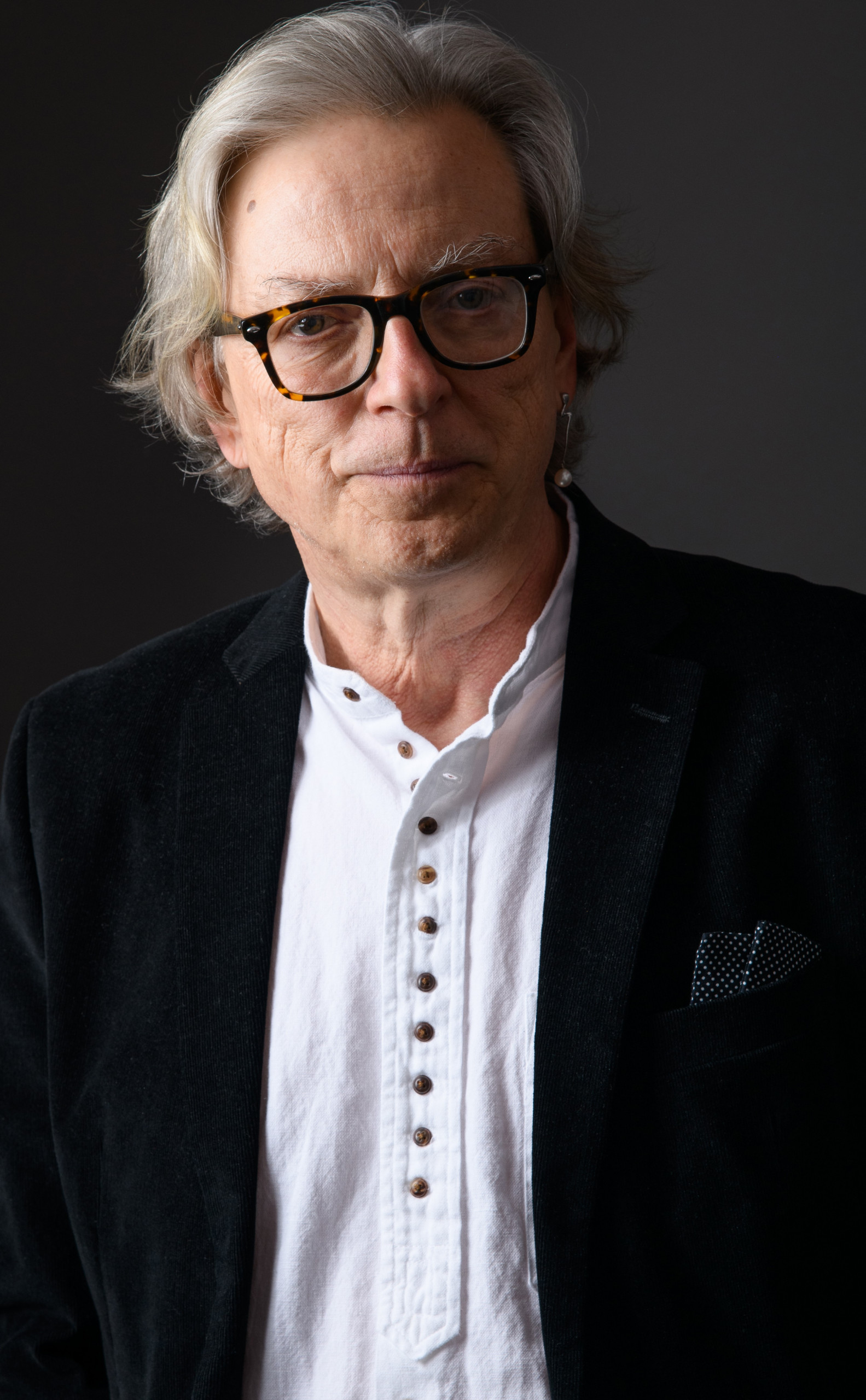
Krzysztof Kaniasty, PhD
The Gravitational Center of Resilience: Redundancy and Synergy Among Individual, Collective, and Cultural Resources

Hugo Sánchez Castillo, PhD
Neurobiology of Stress and Trauma: What does the basic research have to say?

Małgorzata Kossowska, PhD
Is the World Falling Apart? Psychological Responses to Uncertainty, Polarization, and the Search for Solidarity
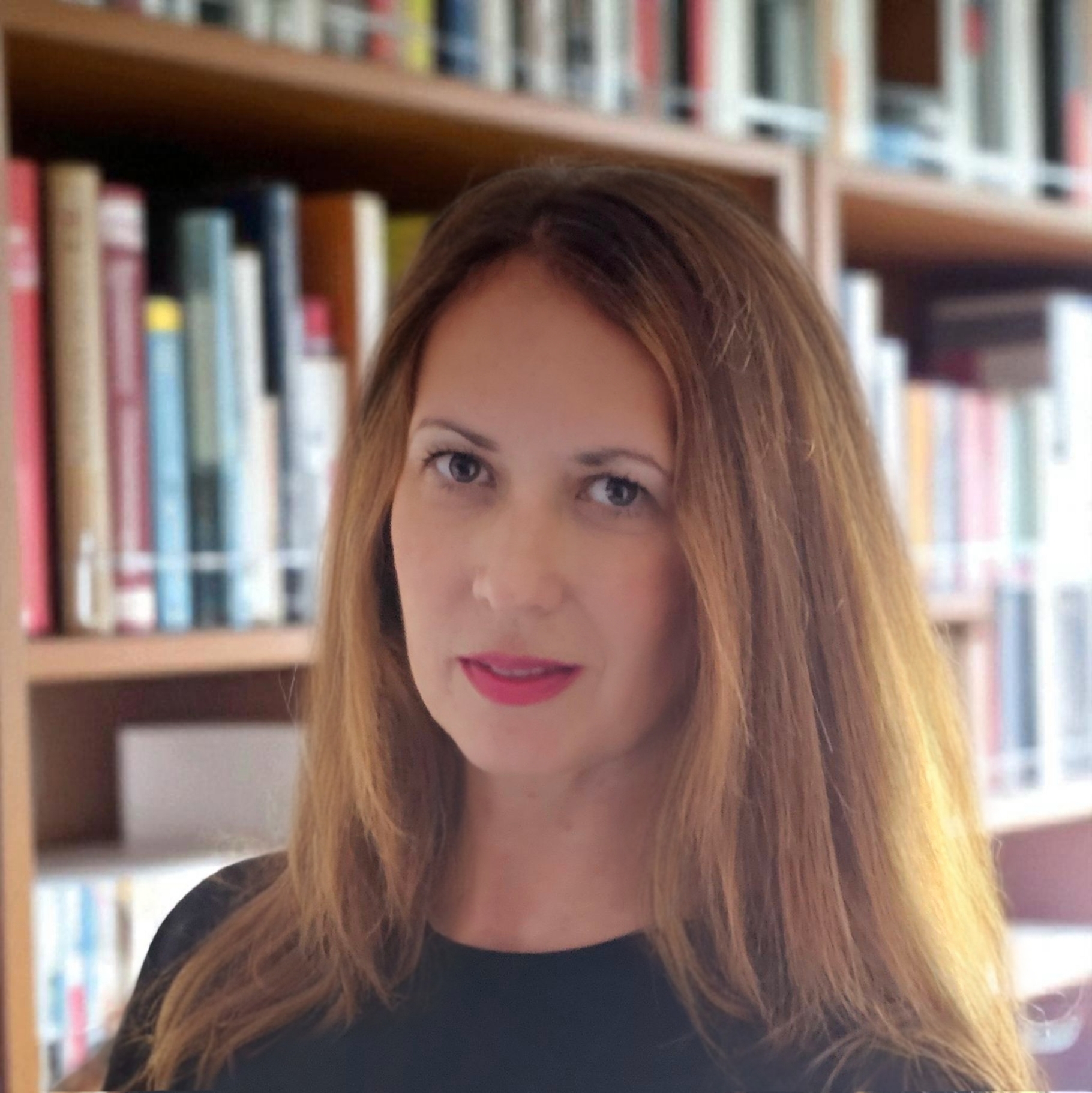
Nina Pavlin Bernardić, PhD
Humor and resilience: The science of laughing through stress
Distinguished Spielberger Address: Krzysztof Kaniasty, PhD
The Gravitational Center of Resilience: Redundancy and Synergy Among Individual, Collective, and Cultural Resources
Distinguished Spielberger Address abstract: Resilience is frequently described either as a personal trait or as the absence of distress following adversity. While both perspectives capture important observations, they reveal little about the underlying conditions that enable individuals and communities to adapt to major life challenges. An alternative perspective views resilience as a property of resource configurations rather than of individual assets alone. Psychological reactions to disruptive life events, whether expressed as distress, trauma-related symptoms, or manifestations of well-being, emerge within a broader constellation of resources extending beyond the individual. Personal strengths such as optimism, mastery, and emotional regulation play an important role, but their effectiveness depends on the organizing core of social support, collective ties, and shared cultural meanings. Our work on social support has long emphasized that these relational resources are not merely additional predictors of well-being but fundamental components of the adaptive system itself. Viewed from this perspective, facets of social support provide a foundation for understanding resilience as a process of adaptive recalibration within a structured system. When resources across multiple levels of the resilience constellation reinforce one another, they create redundancy that stabilizes the system. Resilience, in this sense, is neither trait invulnerability nor the absence of distress, but the capacity of a system to bend, absorb disruption, and recalibrate without losing its structural integrity.
Biography: Professor Krzysztof (Krys) Kaniasty is Professor Emeritus of Psychology at Indiana University of Pennsylvania (USA) and Research Professor at the Institute of Psychology, Polish Academy of Sciences in Warsaw, Poland. His research focuses on post-disaster social support, individual and communal coping, and psychological well-being. He has conducted large-scale longitudinal studies across the U.S., Europe, and beyond, and has published widely on coping with adversities, resilience, and well-being. His contributions have been recognized with numerous awards, including the Stress, Trauma, Anxiety and Resilience Society’s (STAR) Lifetime Career Award and Indiana University of Pennsylvania’s Distinguished University Professor award.
Hugo Sánchez Castillo, PhD
National Autonomous University of Mexico (UNAM)
Neurobiology of Stress and Trauma: What does the basic research have to say?
Biography: Hugo Sánchez Castillo is a professor/researcher from the National Autonomous University of Mexico (UNAM). He has a Bachelor’s in Psychology and a Doctorate in Behavioral Neurosciences from the UNAM, and has completed postdoctoral studies at Columbia University in New York, USA. He is affiliated with the Psycobiology and Neurosciences Department at the Psychology School (UNAM). He is the Head of the Neuropsychopharmacology and Timing Laboratory and Director of the Society for Applied Neurosciences (SINA, Mexico). He is a member of the Society for Neuroscience (SfN, USA) and the International Brain Research Organization (IBRO, France). He has published five book chapters and more than 30 research papers. He has participated in at least 70 works at international meetings and has given more than 100 radio and TV interviews. Some of the awards of Dr Sanchez are the Community Leader 2021 – 2025 from the Society For Neurosciences, the Short Courses Award 2014 from the IBRO, the postdoctoral fellowship CONACyT 2008-2009, the Ricardo Miledi 2005 award (Grass Foundation and UNAM), the Hugo Aréchiga 2006 award from the Society For Neurosciences, and the IBRO Travel Award 2002. The actual research lines are the neurobiology of stress and trauma, the dissociative disorders, and the neurobiology of timing behavior.
Małgorzata Kossowska, PhD
Institute of Psychology, Jagiellonian University
Behaviour in Crisis Lab https://becrilab.id.uj.edu.pl/pl
Is the World Falling Apart? Psychological Responses to Uncertainty, Polarization, and the Search for Solidarity
Biography: As a Full Professor of Psychology and Head of the Social Psychology Unit and the Center for Social Cognitive Studies at the Institute of Psychology, Jagiellonian University, she has built an academic career devoted to uncovering the cognitive and motivational foundations of complex social phenomena—particularly under conditions of uncertainty, threat, and societal upheaval. Her research spans political ideology, prejudice, and social inequality across cultural contexts, as well as knowledge resistance and cognitive rigidity—key mechanisms shaping how individuals and societies respond to instability and make high-stakes socio-political decisions. A central pillar of her recent work is the psychology of crisis. She investigates how people think, decide, and mobilize when confronted with humanitarian emergencies, rapid social change, and large-scale disruption. As the founder and leader of the Behaviour in Crisis Lab, she directs cutting-edge interdisciplinary research on human behavior in crisis contexts, generating insights that are directly relevant to societal resilience, collective responses, and effective policy design.
In parallel, her research increasingly addresses the societal consequences of digitalization, particularly its impact on social cohesion, polarization, and youth radicalization. This trajectory naturally extends her broader scholarly agenda, as digital environments profoundly shape how individuals construct meaning, process uncertainty, and engage with social reality. With over 90 internationally published articles and eight books on social cognition, closed-mindedness, stereotyping, prejudice, and tolerance, she brings exceptional scholarly authority to the study of psychological mechanisms operating in rapidly changing and crisis-prone societies.
Nina Pavlin-Bernardić, PhD
University of Zagreb, Croatia
Humor and resilience: The science of laughing through stress
Biography: Nina Pavlin-Bernardić is a Full Professor at the Department of Psychology, Faculty of Humanities and Social Sciences, University of Zagreb (Croatia). Her work spans the psychology of education, with a focus on academic motivation and engagement and academic cheating. She also actively researches the psychology of humor, including contemporary humor theories and the role of humor in real-world contexts such as learning, motivation, anxiety, and coping with stress. She has published more than 40 scientific journal articles and 13 book chapters. She has led and contributed to numerous national and international research projects, including multidisciplinary and EU-funded initiatives. As a member of a multidisciplinary team, she is also a recipient of a national award in the area of scientific and professional work.